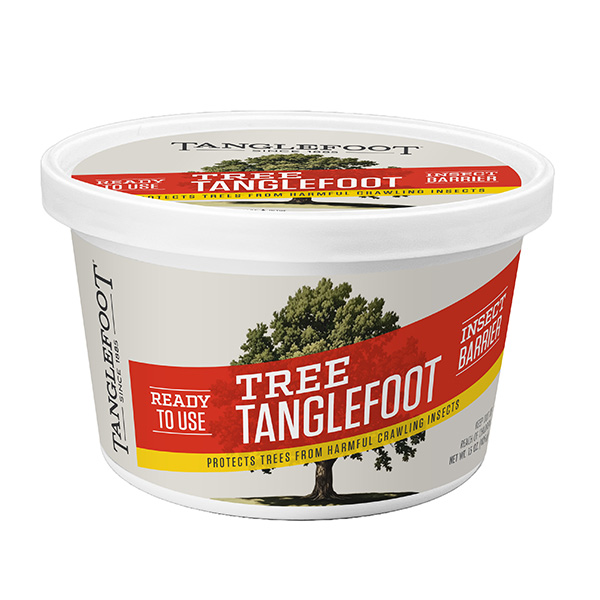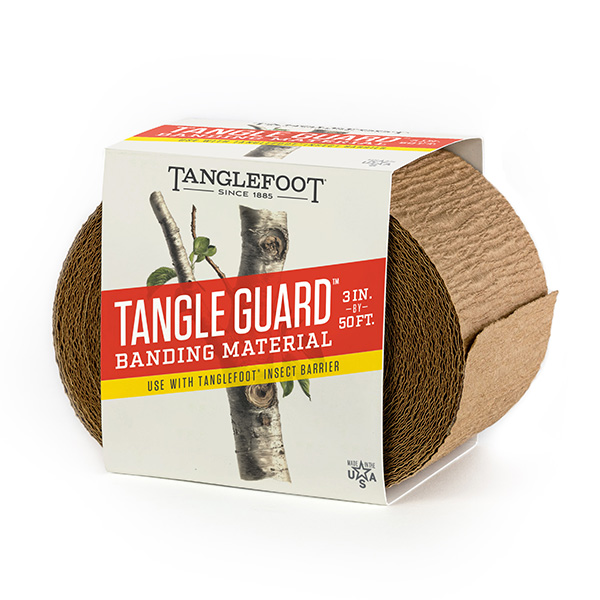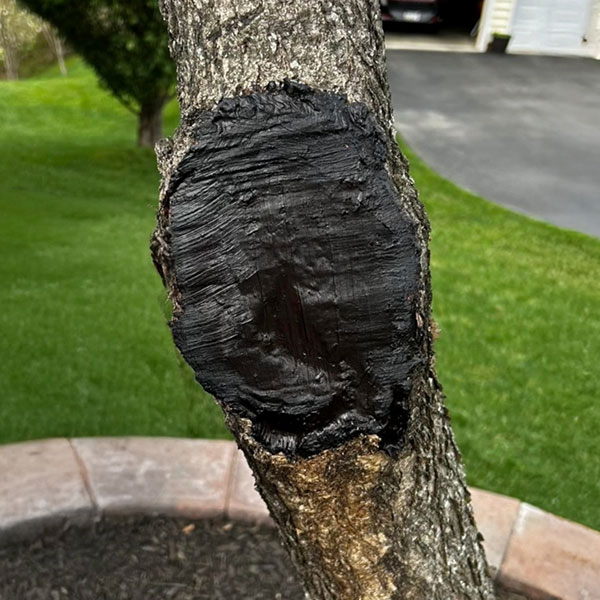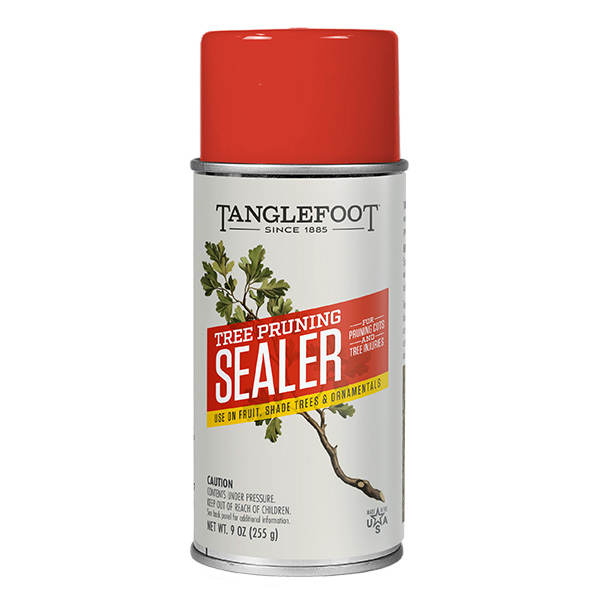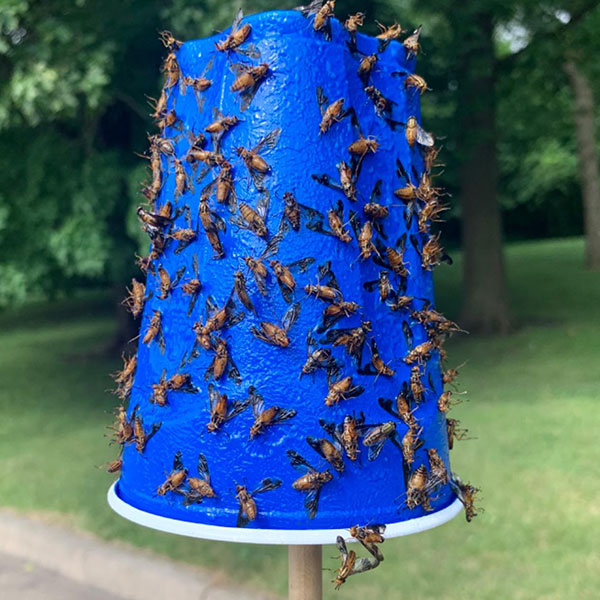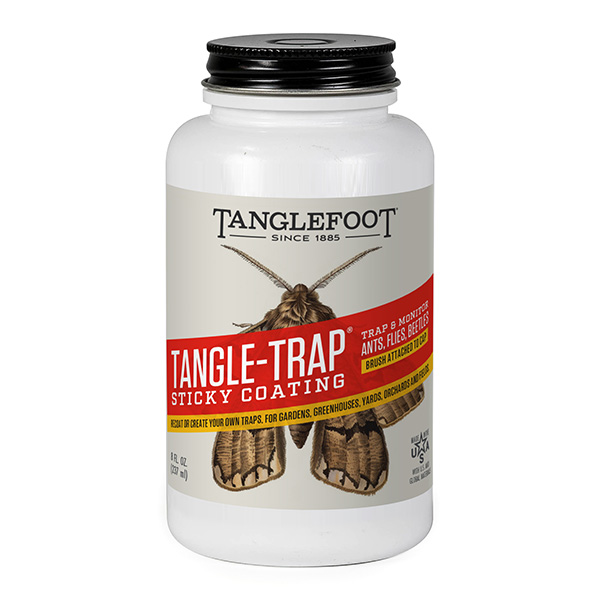
Tanglefoot products help defend your trees against damage from destructive pests, and help trees damaged from pruning, insects or storms to heal. Our line of pesticide-free products allow you to detect and monitor pests while trapping them and protecting your trees.
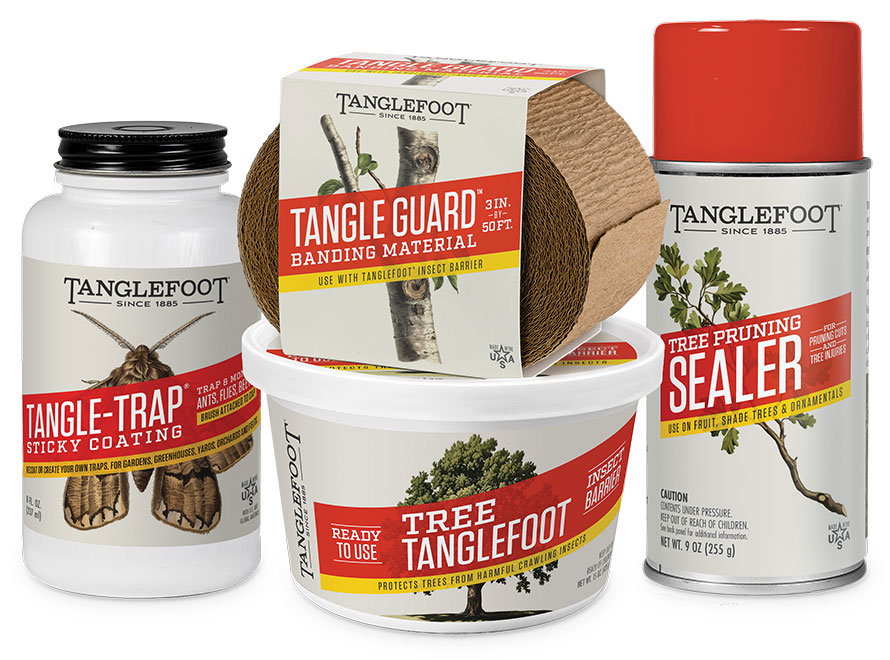
Our insect control products were designed to catch and stop pests before they can damage your trees. For trees that have experienced damage, our sealing products provide the protection they need to heal.

Interested in bulk material for large scale commercial or residential use? Please reach out to us with your project needs, requirements, and tax exempt status so we can find a solution for your needs.


Sold by
EATON BROTHERS CORP.
Hamburg NY, 14075